Get the choice wrong, and you've burned a sizable chunk of your event budget on a speaker nobody remembers by Monday. Get it right, and the effect ripples through the entire conference, sales kickoff, or leadership summit for months.
The stakes are real: 67% of event organizers rank audience engagement as their top priority when booking a speaker, according to PCMA's 2024 Speaking Industry Benchmark Report. This guide breaks down exactly what a keynote speaker is and the specific factors that separate a forgettable booking from one worth the investment.
Key Takeaways
- A keynote speaker headlines an event, setting its tone, energy, and central theme.
- Relevance to your audience matters more than fame when picking the right fit.
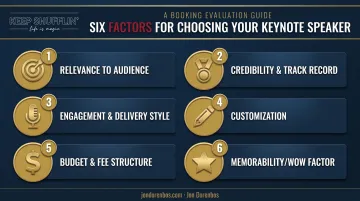
- Six factors — relevance, credibility, delivery, customization, budget, and memorability — drive smart booking decisions.
- The most talked-about speakers pair an authentic personal story with a distinct, unexpected skill.
What Is a Keynote Speaker?
A keynote speaker is the primary, headline presenter at a conference, corporate meeting, or event. Their address establishes the "key note": the central theme that runs through the rest of the program, whether that's a full-day summit or a three-day national conference.
This is different from breakout or panel speakers, who address narrower topics later in the schedule to smaller groups. A keynote sets direction for the whole room; a breakout session drills into specifics for whoever chose to attend.
Setting the Tone
An opening keynote establishes energy and expectations before attendees split off into sessions. A closing keynote does the opposite job: it reinforces the one message organizers want people to carry back to their desks.
Both slots demand a different skill set. Opening speakers need to energize a still-waking room; closing speakers need to land an emotional note that sticks.
Aligning with the Event's Theme
The strongest keynote speakers don't recycle the same talk for every audience. They shape their message around the specific purpose of the gathering:
- A sales kickoff needs urgency and motivation
- A leadership summit needs strategic framing
- A company milestone event needs reflection and gratitude
Driving Attendance and Buzz
Featuring a recognizable keynote speaker in event marketing materials tends to boost registration. According to Corporate & Incentive Travel, planners should book that speaker early so the name can anchor the campaign. A strong headline name gives your marketing team something concrete to promote instead of a vague agenda.
Benefits of Hiring the Right Keynote Speaker
The right speaker does more than fill a time slot on the agenda. Done well, the booking pays for itself long after the event ends:
- Aligns audiences with the mission — reinforces why the work matters, not just what needs to get done
- Extends impact beyond the room — attendees apply the message personally and professionally for months afterward
- Creates shareable moments — a strong performance generates stories people retell at the next team meeting
- Boosts overall event ROI — stronger engagement fuels word-of-mouth for next year's event
Hire the wrong speaker, though, and none of this happens. The room stays polite but disengaged, and that budget line becomes hard to justify next year.
What to Consider When Choosing the Best Keynote Speaker
There's no universal "best" keynote speaker. The right fit depends on your industry, your audience, and your goal, whether that's motivation, education, or entertainment. The following six factors help planners connect a speaker's specific attributes to measurable outcomes like engagement, attendance, and message retention.
Relevance to Audience and Event Goals
Matching a speaker's expertise and story to your event's actual purpose is the single most important filter. A speaker brilliant at motivating sales teams might miss entirely with a technical leadership audience.
KPI to watch: post-event survey scores and audience-reported relevance ratings.
Speaker's Credibility and Track Record
Verifiable experience, a strong client roster, and media presence build trust before the speaker ever takes the stage. Ask for a full-length recent presentation, not just a highlight reel. Recent performance evidence tells you far more than an outdated client logo list.
KPI to watch: number of past engagements, testimonials, and the caliber of past clients, such as Fortune 500 companies.
Engagement and Delivery Style
Dynamic storytelling, genuine stage presence, and the ability to read a room separate great speakers from mediocre ones. That delivery quality is measurable. 55% of people say a great story captures their focus and keeps them engaged, according to a Prezi study cited by Forbes.
KPI to watch: real-time audience attention and engagement throughout the session.
Customization and Message Tailoring
A speaker who researches your company and audience beforehand will always outperform one delivering a generic, canned talk. Ask candidates how they plan to weave your specific challenges or mission into their existing framework — vague answers here are a red flag.
KPI to watch: how closely the message aligns with your organization's specific mission or challenges.
Budget and Fee Structure
Fees vary enormously based on experience and name recognition:
| Tier | Fee Range | Speaker Profile |
|---|---|---|
| Local/entry level | $1,500-$7,500 | Subject-matter experts, academics, business leaders without national fame |
| Mid-tier | $7,500-$35,000 | Speakers with books, media features, or deep industry expertise |
| Top-tier/celebrity | $35,000-$100,000+ | Household names, celebrities, athletes, politicians |
Source: Speakers.com
Travel, accommodations, and meals typically add another $2,000-$5,000 on top of the base fee, and most contracts require a 50% deposit upfront. Also weigh booking directly versus a speaker bureau; bureau commissions are usually baked into the quoted price, not added on top.
KPI to watch: cost-per-attendee and overall event budget efficiency.
The "Memorability" or Wow Factor
Speakers who pair their message with a unique, unexpected skill — magic, humor, a dramatic personal story — create the kind of talkability that extends well past the closing applause. This is the factor most planners underweight, and it's often the one attendees mention first when describing the event to colleagues who missed it.
KPI to watch: post-event social media mentions and long-term recall of the speaker's message.
How Jon Dorenbos Can Help
Jon Dorenbos brings together the criteria most planners prioritize: NFL-caliber credibility, national television fame, and a stage performance audiences remember. Here's what sets him apart for planners weighing their options.
His credentials run deep:
- 14 years as an NFL long snapper, primarily with the Philadelphia Eagles, including two Pro Bowl selections and a reputation for discipline under pressure
- Finalist on America's Got Talent and AGT: The Champions, plus regular appearances on The Ellen DeGeneres Show, giving him broad audience recognition before he even walks onstage
- Magic woven into a personal story of childhood tragedy, foster care, NFL stardom, and career-ending heart surgery, so resilience and forgiveness come from his life, not abstract themes
- Customized keynote messaging shaped in a pre-event consultation so his story maps to goals like accountability, change management, or team culture
- Over 1,000 event appearances for Fortune 500 companies including Apple, Marriott, Kroger, RE/MAX, and Campbell Soup Company
- Standing ovations, consistently: RE/MAX CEO Nick Bailey called him "the BEST KEYNOTE SPEAKER I have ever seen," noting an unsolicited standing ovation halfway through the talk
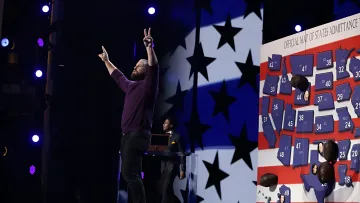
The magic and the NFL résumé work because they reinforce the same message. Jon uses a deck of cards as a running metaphor for controlling your own narrative, and every trick ties back to his story of resilience.
That link between skill and story is the "wow factor" planners look for. It is also why his keynotes tend to spark social mentions and hallway conversations that outlast the event itself.
Planners interested in booking Jon can submit event details through his contact page and expect a response within 24 hours to begin the customization conversation.
Conclusion
The best keynote hire is rarely the biggest name on the shortlist. Choose the speaker whose story and skill match your event's priorities and audience.
A speaker with real credibility who customizes the talk and makes it stick—the mix Jon Dorenbos brings to Fortune 500 stages—delivers value that outlasts the applause. You see it later in survey scores, social mentions, and the hallway conversations employees are still having weeks after the event.
Great event planning isn't a formula you set once and repeat. Revisit these six factors for every event, because your audience, your goals, and your budget will shift each time.
Frequently Asked Questions
What is a keynote speaker?
A keynote speaker is the headline presenter who sets the tone and central theme for an entire event. Unlike breakout or panel speakers, their message is meant to resonate across the whole program.
What is the difference between a speaker and a keynote speaker?
A general speaker typically addresses a narrow topic during a breakout session for a smaller group. A keynote speaker sets the overarching tone and message for the entire event, usually in the opening or closing slot.
Can anyone be a keynote speaker?
Technically, anyone can attempt it, but professional keynote speakers bring deep expertise, extensive stage experience, and a refined ability to connect with diverse audiences. That combination is difficult to fake in front of a live room.
How much does a keynote speaker typically cost?
Fees range from roughly $1,500 for local experts to $100,000 or more for celebrity-tier speakers, depending on experience and name recognition. Travel and accommodation costs are usually added on top of the base fee.
How far in advance should you book a keynote speaker?
Book 6-9 months ahead for most standard keynotes, and 9-12 months or more for celebrity or high-demand speakers. Earlier booking secures preferred dates and leaves room for message customization.
What makes a keynote speaker truly memorable?
Memorability comes from pairing an authentic personal story with a unique skill or delivery style, such as magic, humor, or a distinct performance element. Audiences remember that emotional connection long after the event ends.